
What is a Credit Card? — Complete Simple Guide (2026)
Table of what you need to know.
- Introduction
- What is a Credit Card?
- Credit Card vs Debit Card — Simple Difference
- How Credit Card Interest Works — The Most Important Thing to Know
- What is Credit Card Limit?
- All Credit Card Charges Explained Simply
- New RBI Credit Card Rules 2026 — Your Rights as a Cardholder
- Best Credit Cards for Beginners in India 2026
- How to Use a Credit Card Wisely — Simple Rules
- How Credit Card Helps Build CIBIL Score
- Final Summary — Everything in 6 Lines
Introduction
A credit card lets you buy things now and pay later. Also it builds your CIBIL score, gives you rewards, and protects you from fraud. However if you use it wrong it can trap you in debt very quickly. Therefore understanding how a credit card works before getting one can save you from making very expensive mistakes.
This guide explains everything about credit cards in India in simple language. Also it includes all the new RBI rules that came into effect in 2026. Because knowing your rights as a cardholder is as important as knowing how the card works.
What is a Credit Card?
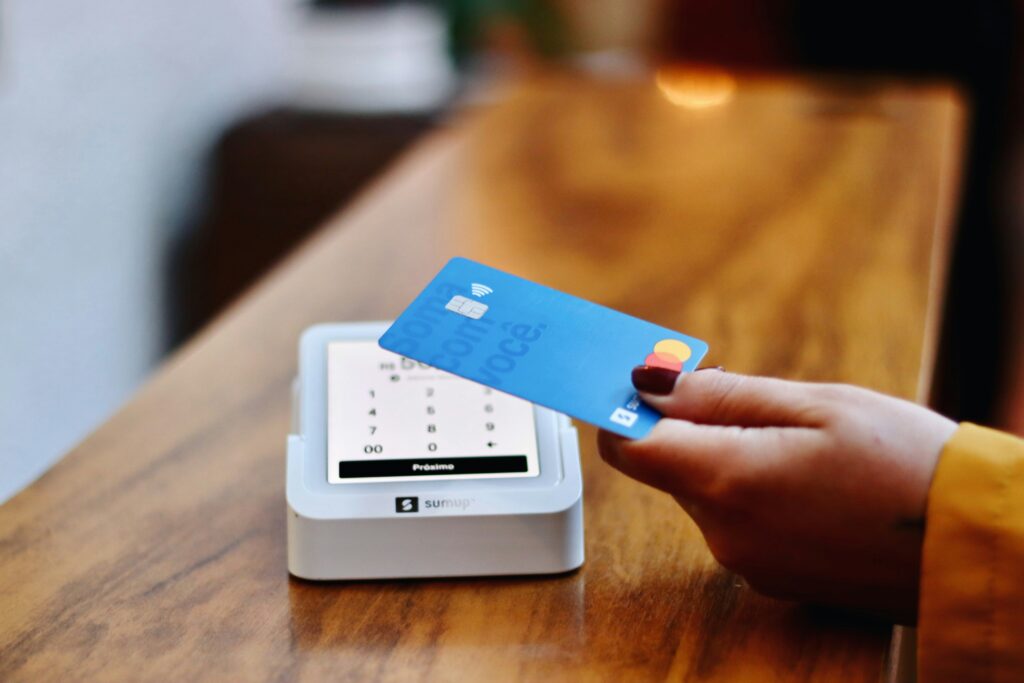
A credit card is a card issued by a bank that lets you spend money you do not have right now. Also you pay it back at the end of every month. Therefore it is essentially a short term loan that renews every month.
Simple example — your card limit is ₹1 lakh. Also you spend ₹20,000 on it this month. Therefore the bank pays those ₹20,000 on your behalf and sends you a bill at the end of the month. If you pay the full ₹20,000 by the due date you pay zero interest. However if you pay only the minimum amount the bank charges heavy interest on the remaining balance.
Credit Card vs Debit Card — Simple Difference
Most people confuse these two. However the difference is very simple:
Debit card — spends your own money directly from your bank account. Also if you have no balance you cannot spend. Therefore no debt risk but also no credit building.
Credit card — spends the bank’s money first. Also you pay it back later. Therefore it builds your CIBIL score and gives rewards but also carries debt risk if not managed carefully.
How Credit Card Interest Works — The Most Important Thing to Know
This is where most people lose money. Therefore understand this before getting a credit card.
C.card interest in India is 2.5% to 4% per month. Also this means 30% to 48% per year. Therefore it is the most expensive form of borrowing in India — much more expensive than personal loans or home loans.
However you pay zero interest if you pay your full bill every month by the due date. Because the bank only charges interest on the remaining unpaid balance. Therefore the golden rule of c.cards is — always pay the full bill, never just the minimum.
Also from 2026 RBI has made one important change — interest is now calculated only on the actual unpaid principal amount, not on taxes and other charges. Therefore your interest bill is slightly lower than before.
What is Credit Card Limit?
C.card limit is the maximum amount you can spend on your card. Also the bank decides this based on your income and CIBIL score. Therefore a person with higher income and better CIBIL score gets a higher limit.
Important — keep your c.card usage below 30% of your limit. Also this is called credit utilization ratio. Therefore if your limit is ₹1 lakh spend maximum ₹30,000 per month on it. Because high utilization hurts your CIBIL score significantly.
Also from 2026 banks must get your consent before increasing your credit limit. Therefore your limit cannot be increased without your permission anymore.
All Credit Card Charges Explained Simply
These are all the charges you need to know before getting a credit card:
Annual fee — ₹0 to ₹15,000 depending on the card. Also most cards waive the annual fee if you spend a certain amount per year — usually ₹1.5 lakh to ₹3 lakh. Therefore always check the fee waiver condition before applying.
Interest charge — 2.5% to 4% per month on unpaid balance. Also this starts from the day of purchase if you do not pay the full bill. Therefore never carry forward a balance.
Late payment fee — ₹100 to ₹1,300 depending on outstanding amount. Also RBI capped this rate in 2024 to prevent banks from overcharging. Therefore if your bank charges more than ₹1,300 you can complain to RBI.
Cash advance fee — 2.5% to 3% per withdrawal. Also interest starts from day 1 with no grace period. Therefore never use a credit card to withdraw cash from ATM — it is extremely expensive.
Foreign transaction fee — 1.5% to 3.5% on every transaction in foreign currency. Also RBI now requires banks to clearly disclose this fee. Therefore check this before using your card abroad.
New RBI Credit Card Rules 2026 — Your Rights as a Cardholder
These are the most important new rules that protect you:
Two factor authentication mandatory — from April 1 2026 every c.card transaction must be verified using at least two independent factors. Also OTP alone is no longer enough. Therefore your card is now much harder for fraudsters to misuse.
Bank cannot send unsolicited cards — banks cannot issue a c.card to you without your explicit consent. Also if a bank sends you an unsolicited card and charges fees you are not responsible for paying those charges. Therefore report it to RBI immediately if this happens.
Card closure within 7 days — if you request to close your c.card the bank must process it within 7 days. Also they cannot delay or put conditions on closure. Therefore you have full freedom to close any card anytime.
Inactive card automatic closure — if you receive a c.card but do not activate it within 30 days the bank must send you an OTP to reactivate. Also if you decline the OTP the card must be cancelled with no charges. Therefore unused cards cannot sit open and accumulate fees.
3 day grace period — from July 1 2026 banks must provide a 3 day grace period after the payment due date before charging late fees. Also disaster affected customers get automatic relief from July 2026. Therefore you have a small buffer if you miss a payment deadline by a few days.
Minimum 14 days to pay — after your credit card statement is generated you must get at least 14 days to pay before the due date. Also banks cannot set shorter payment windows. Therefore you always have enough time to arrange payment.
Best Credit Cards for Beginners in India 2026
If you are getting your first credit card these are the safest options:
SBI SimplySAVE — no annual fee if you spend ₹1 lakh per year. Also good rewards on groceries and dining. Therefore best for salaried beginners.
HDFC MoneyBack — cashback on online shopping. Also low joining fee. Therefore good for people who shop frequently online.
Axis Bank Insta Easy — specifically designed for people with no credit history. Also secured against a fixed deposit. Therefore easiest to get for complete beginners with no CIBIL history.
ICICI Platinum Chip — lifetime free card. Also basic rewards and zero annual fee. Therefore good if you want a card without any annual charges.
How to Use a Credit Card Wisely — Simple Rules
Always pay the full bill every month — never just the minimum. Because minimum payment keeps you in debt forever while interest keeps growing.
Set up auto payment — link your bank account to auto pay the full credit card bill every month. Also this ensures you never miss a payment. Therefore your CIBIL score keeps improving automatically.
Use it for regular purchases only — use your credit card for things you would buy anyway — groceries, fuel, online shopping. Also treat it like a debit card — only spend what you already have in your bank account. Therefore you earn rewards without going into debt.
Never share your card details — do not share your card number, CVV, or OTP with anyone. Also bank employees never ask for these details. Therefore anyone asking for your CVV or OTP is a fraudster.
Check your statement every month — look for any transactions you did not make. Also report suspicious transactions to your bank within 3 days. Therefore you are protected from fraud under RBI rules.
How Credit Card Helps Build CIBIL Score
This is the best benefit of a credit card that most people do not know. Because every on time credit card payment improves your CIBIL score. Also credit cards are the fastest way to build a good CIBIL score for people with no credit history.
Simple strategy — get a basic credit card, use it for small purchases every month, pay the full bill every month. Also do this for 6 to 12 months. Therefore your CIBIL score will go from NH (no history) to 750 plus within a year.
Final Summary — Everything in 6 Lines
A credit card lets you spend now and pay later — with zero interest if you pay the full bill every month. Also credit card interest is 30% to 48% per year so never carry a balance. Therefore always pay the complete bill by the due date. Also new RBI rules 2026 protect you from unsolicited cards, hidden charges, and force banks to close your card within 7 days if you request. Because a credit card used wisely builds your CIBIL score and gives rewards. Therefore it is a powerful financial tool — but only if you use it correctly.
Disclaimer This article is for informational and educational purposes only. Also credit card terms and charges vary by bank and card type. Therefore always read the full terms and conditions before applying for any credit card. Narrowit.in is not responsible for any financial decisions made based on this article.
Important Links To check RBI approved credit card rules visit rbi.org.in. Also to raise a complaint against your bank visit bankingombudsman.rbi.org.in. Therefore both are free official government resources.
There our other articles about finance(https://narrowit.in/how-income-tax-works-in-india-complete-simple-guide-2026/)
(https://narrowit.in/how-corporate-tax-works-in-india-complete-simple-guide-2026/) about income and corporate tax.
inflation (https://narrowit.in/inflation/)